Discussion Guide
Grades 6-8
Grades 9-10
Grades 11-12

Songs of Black Folk: Discussion Guide

Letter From The Filmmaker
Dear friends,

When we began Songs of Black Folk, we set out to capture a concert — but what
we found was a story of homecoming, memory, and resurrection. Through the
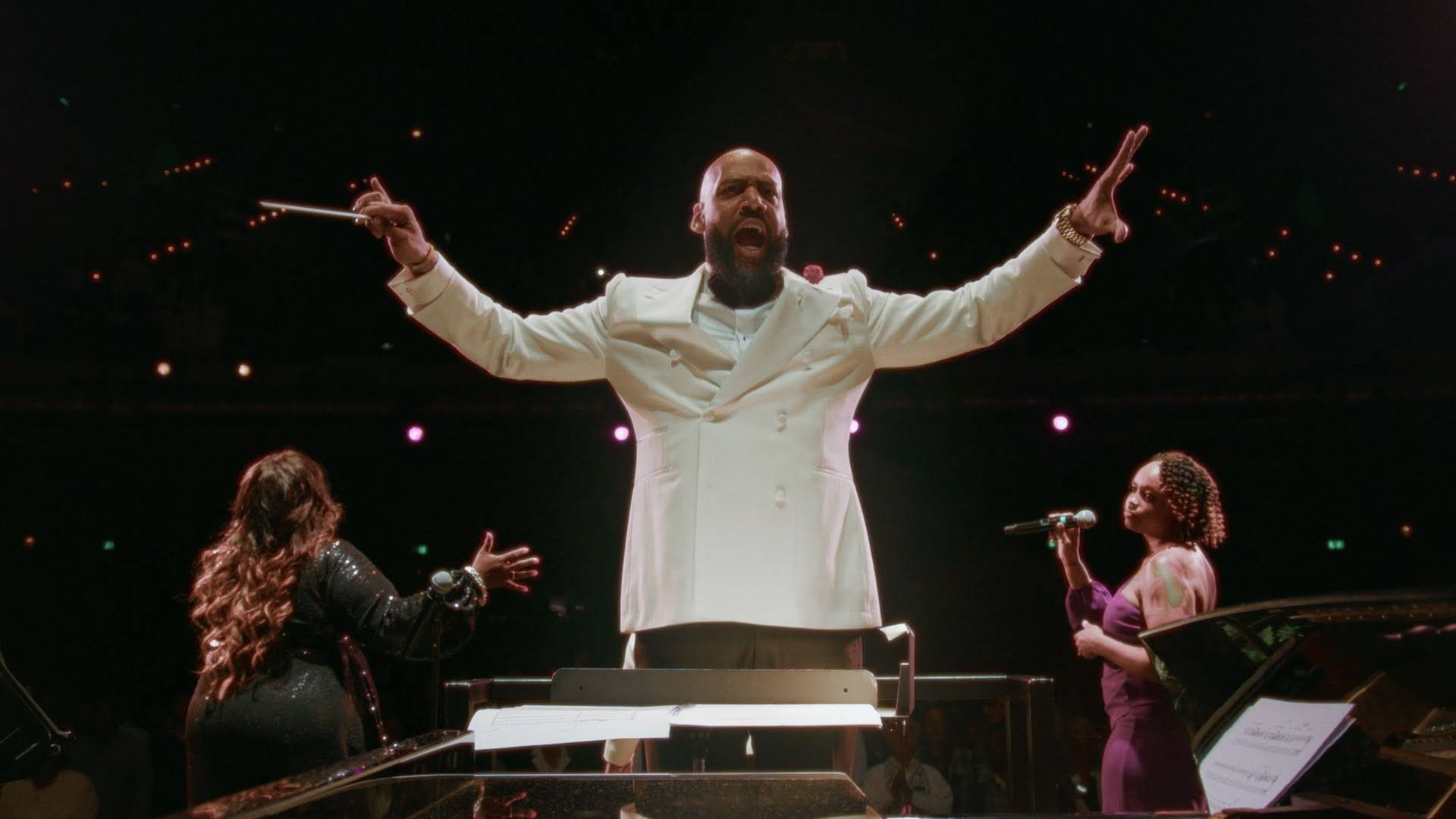
lives of composer Ramón Braxton-Bryant, his uncle Rev. Dr. Leslie Braxton, we
encountered a lineage of faith and creativity that has kept Black communities in
the Pacific Northwest alive for generations.

In Tacoma and Seattle — places often left out of the national story of Black America
— we found music that carries the sound of survival. These are songs that were
once whispered in the fields, now lifted in symphony halls. They remind us that joy
can be a form of resistance and that art can be a language of healing.

This film is a portrait of two men working to build something greater than
themselves — a concert that becomes a ministry, a collaboration that turns memory
into movement. It is a love letter to the families who made a way out of no way, and
a reminder that our stories are not confined to one region, one rhythm, or one time.
As the concert unfolds and the music rises, we are reminded that freedom is not
a single moment in history, but an ongoing act of creation — something we must
keep making together.

With love and gratitude,
— Justin Emeka & Haley Watson

Sources

About the authors

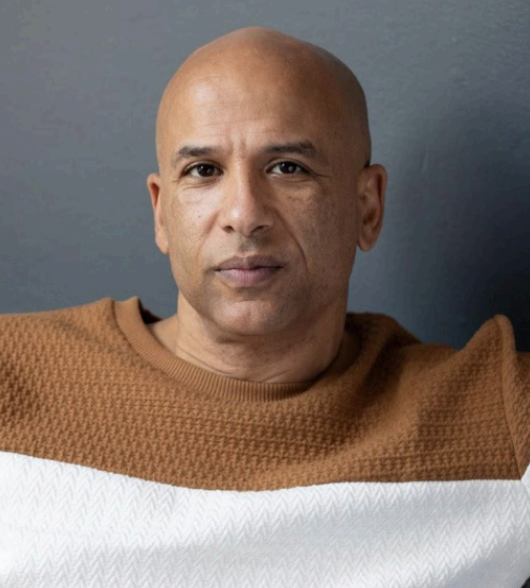
Justin Emeka

Justin Emeka is a scholar, director, and filmmaker whose work blends cultural research, rigorous artistry, and community-centered storytelling. Born in Englewood, New Jersey and raised across several states, he found an early creative home in Seattle, where spaces like the Langston Hughes Performing Arts Institute and Seattle Children’s Theater helped shape his artistic imagination. Now a tenured professor of Africana Studies and Theater at Oberlin College, Emeka is recognized for reimagining classical texts through Black cultural and historical perspectives. His influential chapter, “Seeing Shakespeare Through Brown Eyes,” in Black Acting Methods has become an essential resource for artists seeking culturally grounded approaches to performance. As a director, he has created acclaimed work with Pittsburgh  Public Theater, the Old Globe, and Classical Theatre of Harlem, while his films—including Biological and Six Winters Gone Still, expand the narrative landscape. As a teacher and longtime practitioner of Capoeira Angola, Emeka builds interdisciplinary curricula that blend  performance, history, and embodied knowledge. Across his work, he is committed to expanding the reach of  theater and film by inviting new communities to see themselves reflected in powerful, timeless stories.

Author photo